
YOUTH CLIMATE ACTION FUND
Application window is now closed.
Mahalo to all those that submitted applications! We will be in touch soon.

CALLING ALL YOUTH LEADERS AGES 15 - 24!
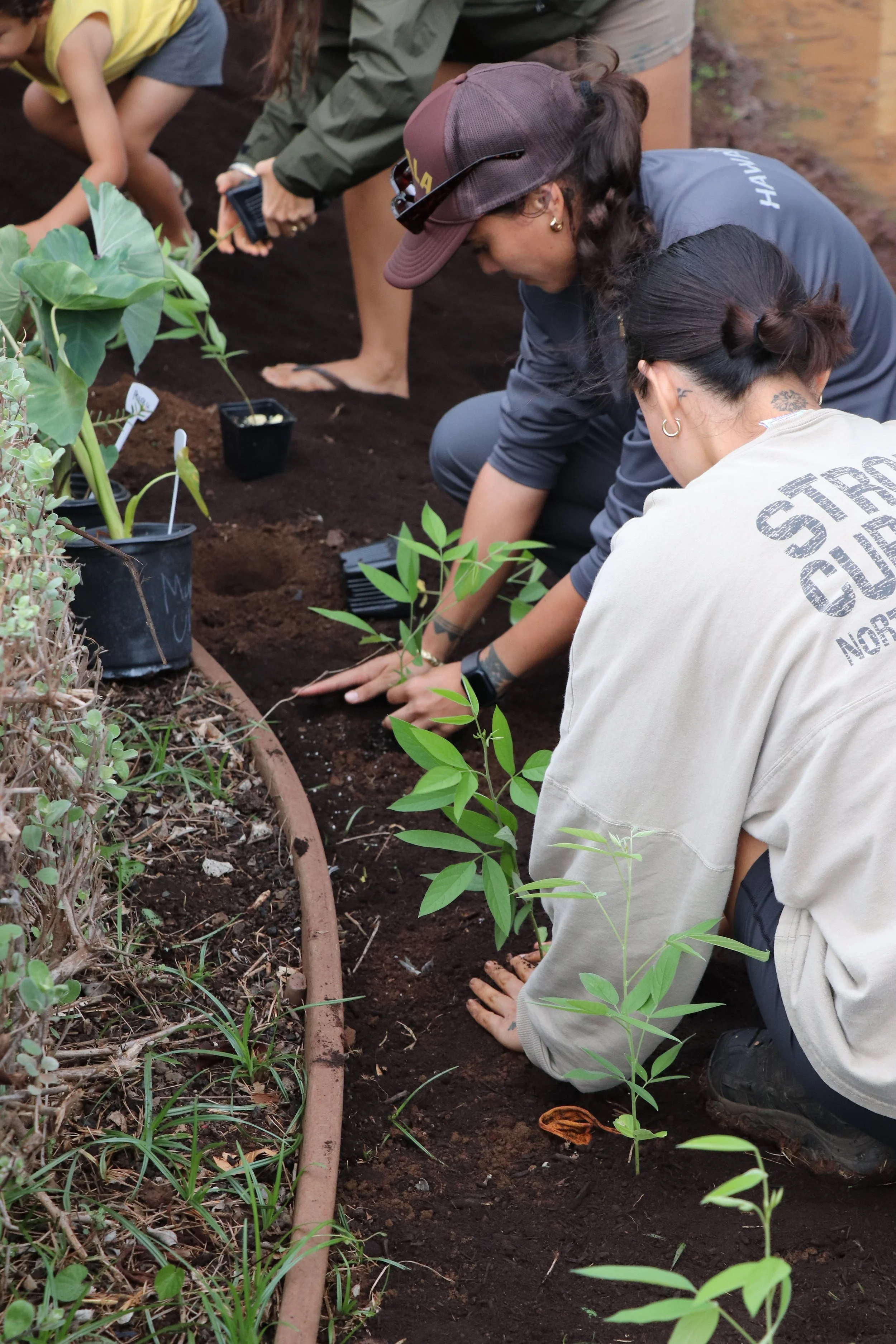
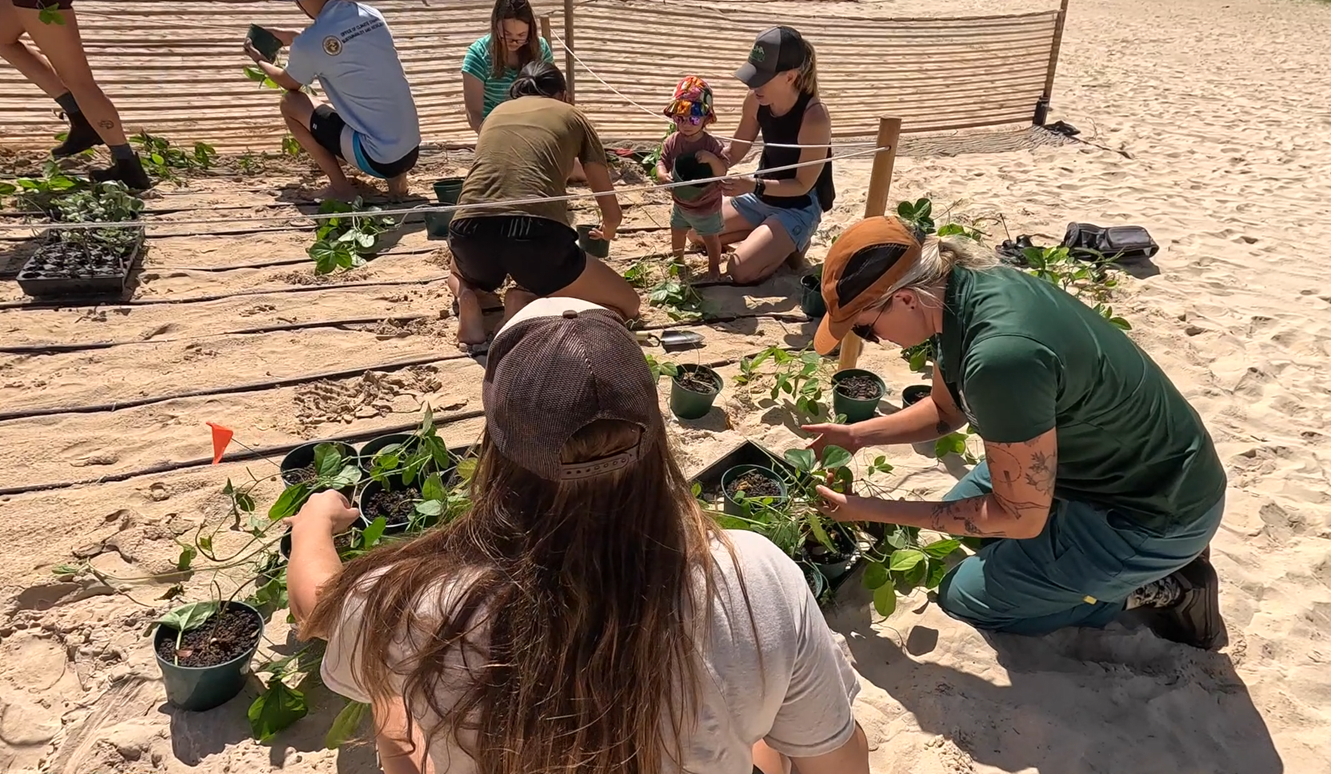
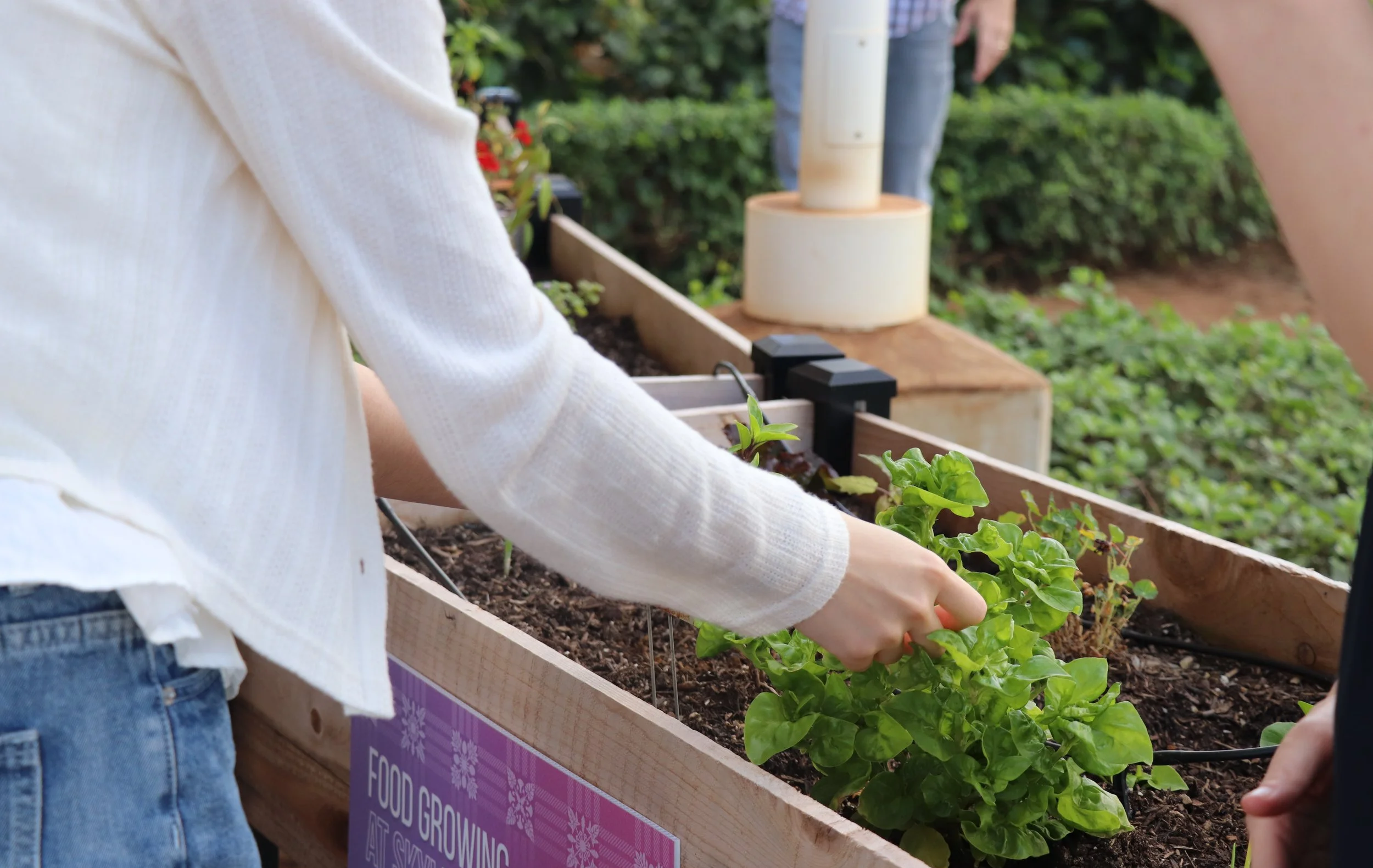
The City is supporting eligible youth-led projects, up to $4,999 each, across Oʻahu that design, develop, and implement climate solutions that meet pressing local needs.
Applications are now being accepted through September 14th, 2026!
APPLICATION FORM
Application window is now closed.
Please note: The maximum word count is incorrectly listed as “Max 10 words” in the Project Result(s) section and should say “Max 100 words.” Apologies for any confusion.
Co-design Session
On August 12, a support session was held at UH West Oʻahu for youth and organizations to learn more about the program and discuss potential projects. View the presentation slides here.

WHO IS ELIGIBLE?
Each project must be led by at least two youth leaders between 15-24 years old and one of the following types of mentor organizations:
Youth-led organizations (e.g. youth clubs or groups)
Youth-serving organizations (adult-led organizations supporting young people)
Schools (public, private, charter), universities, and other educational institutions serving youth ages 15-24
All organizations must be a legally registered entity, be recognized as a non-profit or charitable organization under local laws (unless a public entity), and have a bank account in the organization’s name.
DEFINING YOUR PROJECT
Projects should be in an event, campaign, or educational format. Projects must also align with one of the three Project Themes below, and one of the Project Categories listed under that Theme.
-
Trees, plants, and invasive species
Wetlands and streams
Ocean and coastal protection
Storms and flooding
Increasing temperatures and drought
Wildfires
-
Communications, media, and technology
Arts and music
Renewable energy
Mobility and clean transportation
Buildings and the built environment
-
Food
Potable/non-potable water
Waste and recycling
Equity and environmental justice
Indigenous knowledge-informed solutions

FUNDING REQUIREMENTS FOR MENTOR ORGANIZATIONS
Funding may not be issued to individuals. For organizations to receive project funds, they must meet the requirement(s) in the applicable tier.
TIER 1: $1,000 - $2,499
TIER 2: $1,000 - $2,499
TIER 3: $2,500 - $4,999
For organizations that accept credit card transactions, no further conditions must be met.
For organizations that don’t accept credit card transactions and need payment via check, VSS registration is required to process this payment method.
For organizations that propose a project that will invoice over $2,499, the organization will only be able to receive a check and must be registered with VSS and HCE. If not already HCE compliant, it is highly unlikely this would be approved with enough time to complete services by 03/31/2027.

For additional requirements, please review the application form above. For information on VSS and HCE, see the Resources section of the webpage.
YOUTH CLIMATE ACTION FUND BACKGROUND
The City and County of Honolulu is honored to join Bloomberg Philanthropies’ Youth Climate Action Fund, empowering young residents ages 15–24 to create and lead climate solutions that support the City’s priorities.
Through this program, the City is launching an innovation competition that invites young people to share their project ideas. The strongest proposals will receive funding from a $50,000 grant. City staff will work alongside participants throughout the process, helping them turn their ideas into real projects that improve public spaces, strengthen infrastructure, reduce disaster risks, and build a more resilient community.
Honolulu joins a global network of 300 cities across six continents that are working to strengthen partnerships between local governments and young people to address climate challenges. Honolulu is the only city selected from Hawaiʻi and one of seven municipalities representing Oceania.

HELPFUL RESOURCES
Flyer: help spread the word!
Procurement information for organizations: Vendor Self Service (VSS), VSS How-to Guide, and Hawaiʻi Compliance Express (HCE)
Want to learn more about the City’s climate priorities? Check out the following climate plans: O‘ahu Resilience Strategy, Climate Action Plan: 2020-2025, Climate Ready Oʻahu: Climate Adaptation Strategy, Long-Term Disaster Recovery Plan, Oʻahu Food Systems Plan (draft).
Interested in a YCAF presentation at your school or having us table at your event? Reach out to us at ycaf@honolulu.gov.
More details and resources coming soon!
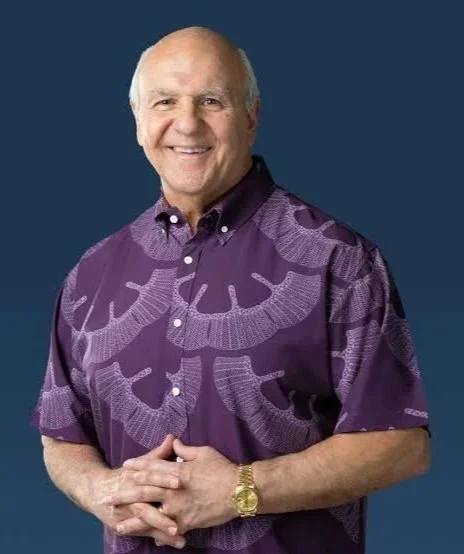
A Message from Mayor Rick Blangiardi:
“We could not be more excited to tap into the enthusiasm and creativity of the youth of Honolulu to address climate change — which impacts us all, either directly or indirectly. Our young people are full of great ideas and we cannot wait to see how this tremendous opportunity accelerates their innovation and leadership. Thanks to the incredible generosity and vision of Bloomberg Philanthropies, Honolulu will remain at the forefront of confronting climate change, and we will prioritize projects that make a real, tangible, and practical difference in our communities.”